
First Year of Motherhood post BMT
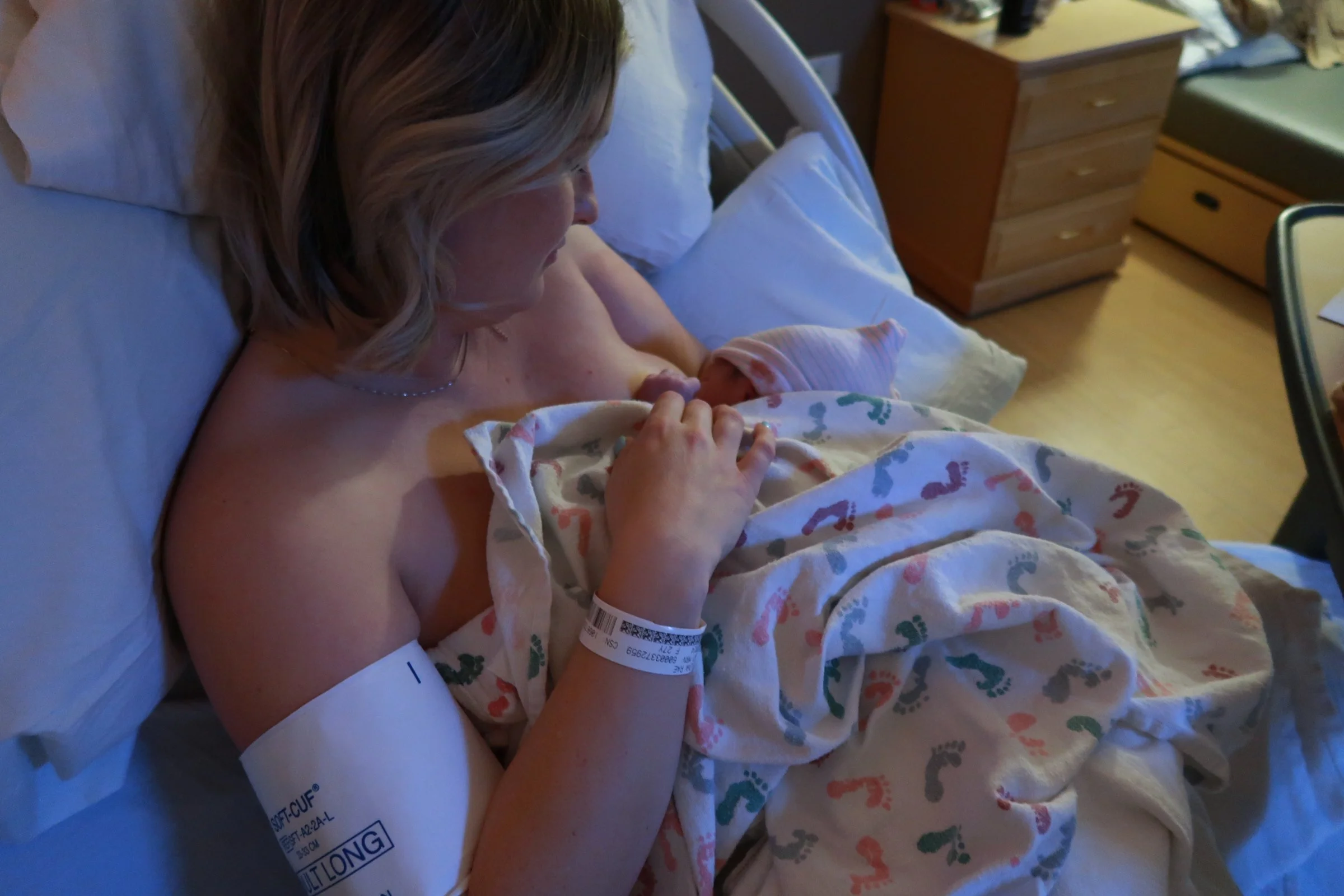
There are days in life that change everything. For me, December 19 is one of them. It was the day I held my firstborn son in my arms. Two years earlier, I was unsure of my own future and was being told that motherhood was not possible for someone with my history. I was living with the weight of a PNH and aplastic anemia diagnosis. I had endured a bone marrow transplant, chemo, radiation, fear, and uncertainty. I had no idea whether life would give me another chance at stability, let alone the gift of becoming a mother. Yet here I am. One year into motherhood and living a chapter I once thought was out of reach.
The Moment I Knew
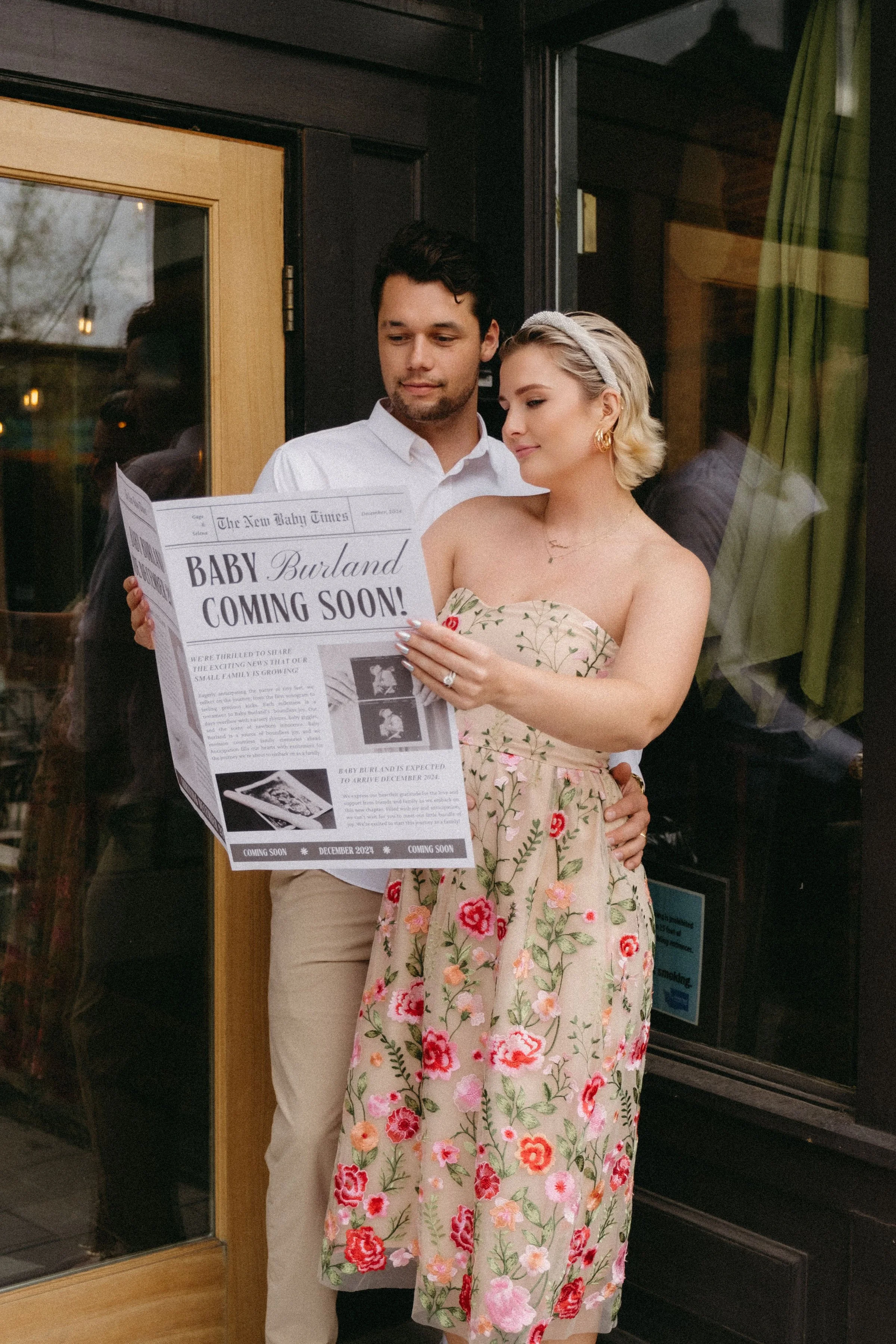
I conceived naturally the very first month we tried after I received clearance during my one year post transplant check. My blood counts were steady. My body was healing well. My team told me that if I wanted to expand my family, earlier would give me the best chance. The morning I found out I was pregnant, I felt it before I even saw the test. I did not have any of the usual symptoms. There was simply a certainty in my heart. When the test turned positive, I cried. I could not wait to tell my husband that the impossible was becoming real.
Pregnancy After a Transplant
My pregnancy was healthy and surprisingly smooth. For months, I felt strong and steady. However, at 37 and a half weeks, I developed cholestasis, so I was induced at 38 weeks. Everything went well and our son arrived safely.
Now that it is BMT Awareness Month, I am eleven months postpartum and more in love with motherhood every day. It feels like a calling that was always meant for me.
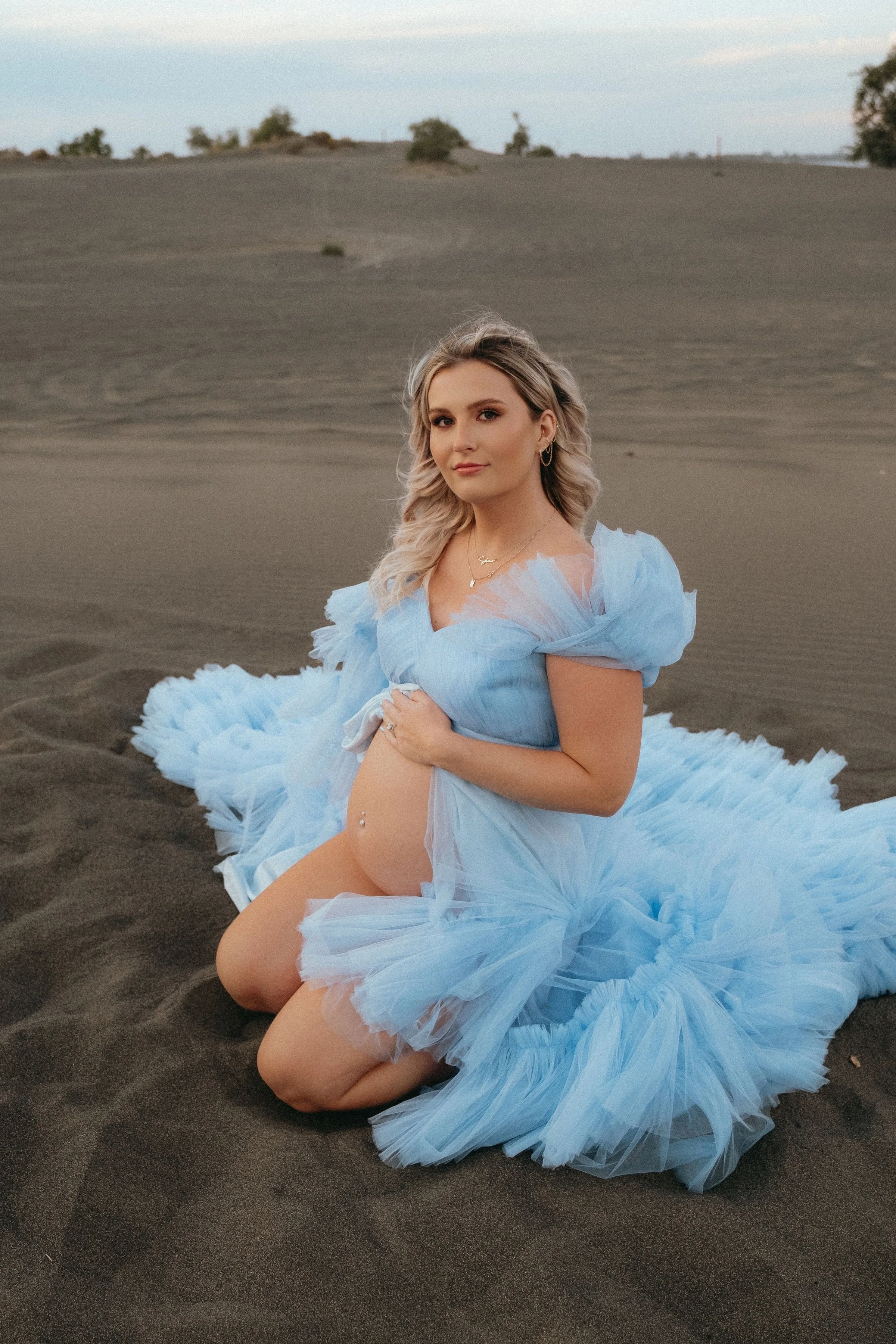
I want to be honest about the emotional side because pregnancy after transplant is not straightforward. I was often scared of relapse or unexpected complications. Many typical pregnancy symptoms mimic the symptoms that once signaled something was wrong for me. Fatigue, shortness of breath, bruising, and dizziness can echo what it felt like before diagnosis. That can trigger fear no matter how healthy you are.
I had to continuously remind myself that this time my body was not failing. It was creating a life. It was doing exactly what it was designed to do.
Throughout pregnancy, my BMT team monitored me very closely. We watched my blood counts through each trimester, planned ahead for the possibility of transfusion during delivery, and made sure I felt supported and safe. Thankfully I never needed a transfusion and everything remained stable.
Dreams of Motherhood
One of the biggest lessons I learned is that opinions in medicine are not always unified. Some of my BMT doctors told me that I would never be able to conceive. On the other hand, fertility specialists told me something very different. They explained that women my age often have higher success rates if they try sooner after transplant rather than waiting years. They had seen healthy pregnancies in situations similar to mine. The research is wide and the experiences vary. That is why it is so important to seek additional opinions, to advocate for yourself, and to trust that no single doctor has the final say over your future.
A Message for Anyone Told They Cannot Have Children
If you have been told that PNH, a bone marrow transplant, chemo, radiation, or chronic illness means you can never have a family, please know that your story is not written yet. There are paths you may not have explored and experts who may see more possibility than you have been told. There is science, there is hope, and there is also the power of faith.
With God, all things are possible. I have my miracle baby today because I trusted my instincts, sought other voices, and refused to let fear or one discouraging opinion dictate my future.
This BMT Awareness Month, I share my story for anyone who is standing where I once stood. I hope you find encouragement. I hope you feel less alone. And I hope you know that life after diagnosis can still bloom in ways you never expected.
My son is living proof that hope is always worth holding onto.
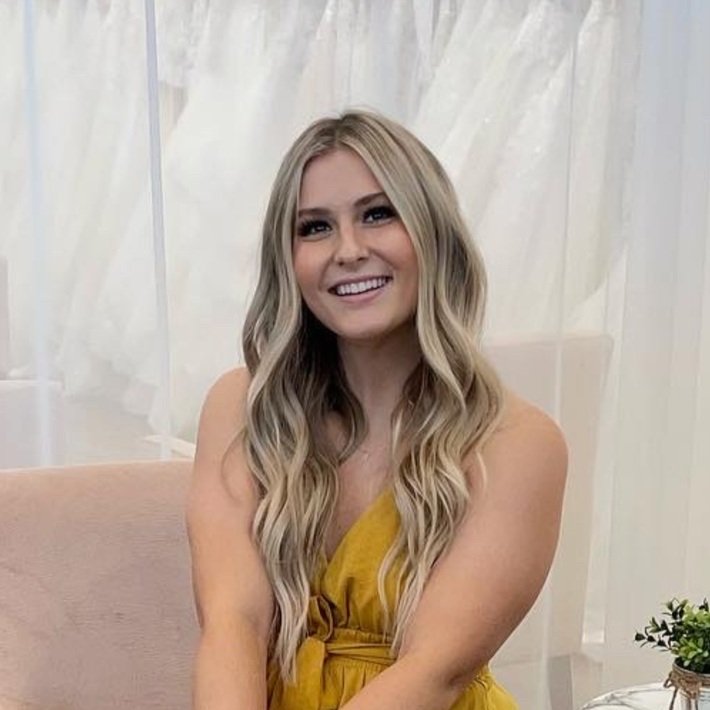
Selena is a PNH and Aplastic Anemia survivor, bone marrow transplant recipient, and advocate for patient education and empowerment. She shares her story to bring hope, awareness, and community to others navigating rare disease and transplant recovery. Follow her story on instagram for more: @selenaburland_