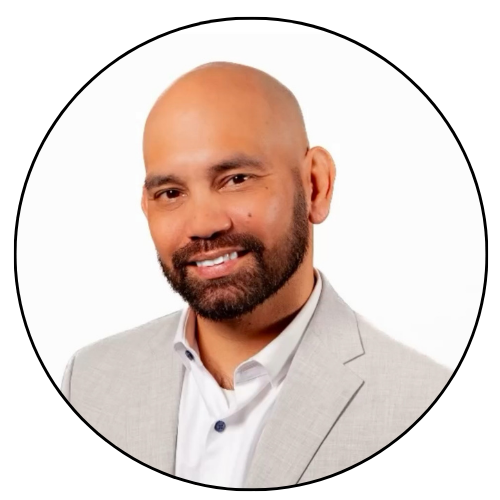
On my 26th birthday, July 22, 2011, I found out I had a rare kidney disease called focal segmental glomerulosclerosis, or FSGS.
At the time, I worked in health and wellness in the motion picture industry. I was also an amateur boxer, hoping to turn professional, and pursuing a career as a medic. I was active, in shape, and used to helping other people take care of their health.
Then I was the one sitting in a doctor's office trying to understand what was wrong.
I had never heard of FSGS. Suddenly, words like creatinine, proteinuria, and kidney function were part of my life. I remember wondering what this meant for boxing, my work, and everything I had planned.
As a boxer, I knew how to prepare for someone standing across from me. I didn't know how to prepare for a disease I couldn't see.
Fifteen years later, I've lived through kidney failure, dialysis, and a living-donor kidney transplant. I've also spoken with doctors, researchers, policymakers, and other patients about kidney care. And I keep coming back to something simple: knowing about a disease isn't the same as knowing what it's like to live with it.
When you have kidney disease, you learn to watch your numbers. Creatinine. Protein in your urine. Blood pressure. Those results matter, and they've helped my doctors make decisions about my care.
But I remember leaving appointments and realizing I hadn't asked half the questions I had in my head.
Sometimes I was worried about what would happen next. Sometimes I was trying to figure out how to keep working, stay active, and have some kind of normal routine.
I've heard the same from other kidney patients. A person can have stable lab results and still be exhausted. Someone can understand their diagnosis and still feel overwhelmed by everything that comes with it.
Doctors need the medical picture. We need them to understand what life looks like outside the appointment, too.
I came to understand this even more when my kidneys failed, and I started dialysis three times a week, for about three and a half hours each session.
But the time on the machine was only part of it.
I had to plan around transportation, treatment, and how I might feel afterward. Even on days I wasn't at the dialysis center, dialysis was still shaping my week.
Sometimes I just wanted to do something that had nothing to do with being sick. I wanted to live my life without checking the calendar first.
Years later, I learned the term treatment burden. It means the work people do to manage an illness. Back then, I didn't have a name for it. I just knew it was taking up a lot of my life.
Now, when I'm in meetings about improving healthcare, I think about that dialysis chair. It's one thing to talk about how well a treatment works. It's another to ask what someone has to do just to get through it.
Those experiences are a big part of why I started speaking up for other kidney patients.
I've shared my kidney journey many times, and I believe stories matter. But I've also been in rooms where a patient shares something deeply personal, everyone says thank you, and then the meeting moves on.
I appreciate being invited. I also think we can do more with what patients know.
We can explain why a medical instruction is confusing, why getting to an appointment isn't always simple, or why a plan that looks good on paper doesn't work so well at home.
I've met doctors and researchers who really want to hear those details. Those conversations give me hope.
I'm not saying patients know more than doctors. I'm saying we know what it's like to live with the disease, and that should count for something.
And when I think about whose experiences deserve to be heard, I can't leave out the people who stood beside me.
When I needed a kidney, I couldn't get there on my own. Family, friends, and people in my community helped me search for a living donor.
Thirty-three people expressed interest in donating before Shawna, a friend of my sister, became my donor. On December 10, 2019, I received my kidney transplant.
I think about how much my family carried during those years. The appointments, the uncertainty, the worry. Sometimes we focus so much on the patient that we forget the people standing beside them.
Caregivers have their own questions and challenges. We need to hear from them, too. Looking back on those years, there are things I wish I'd understood when I was first diagnosed.
If I could go back to the day I turned 26, I'd tell myself to ask more questions. Tell the doctor when you don't understand. Write down what you're feeling. Don't assume you'll remember everything when the next appointment comes around.
That's one reason I've partnered with Folia Health.
Folia offers a free app to help people track symptoms, treatments, and everyday health experiences. I like the idea of having a place to keep track of what happens between appointments, including the things you might otherwise forget to mention.
An app can't tell you what a symptom means, and it doesn't replace your healthcare team. But keeping notes may help you have a better conversation with your doctor.
Folia also offers an optional opportunity to participate in research, separate from personal tracking. I'm interested in hearing what patients and caregivers find useful about tools like this and what they still need.
When I look back on the past 15 years, I sometimes think about that 26-year-old boxer who had no idea what FSGS was.
I never planned to become a patient advocate. Back then, I was just trying to understand my diagnosis and figure out what came next.
Now I get to bring those experiences into conversations with people working to improve kidney care. I don't have all the answers. I didn't back then, and I still don't.
But I've learned that you don't need to know everything to speak up for yourself. Sometimes it starts with telling your doctor what you're worried about, or asking them to explain something one more time.
Sometimes, you just have to find the courage to ask.