
Why Tracking Matters in Prader‑Willi Syndrome: A Q&A for Caregivers
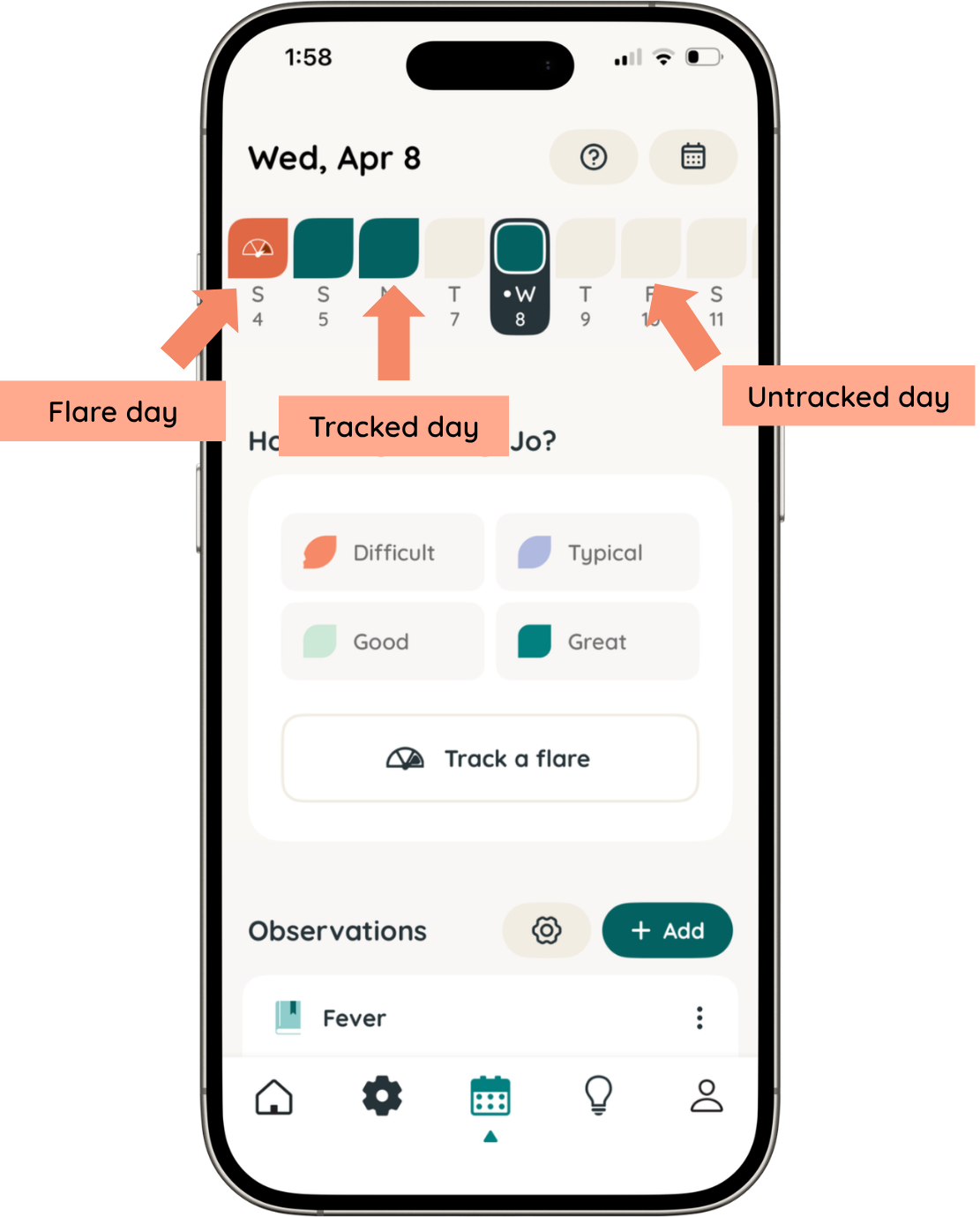
Clinic visits are 30 minutes. Life with PWS is 24/7.
Tracking what happens in between can change both.
If you're caring for someone with Prader-Willi syndrome (PWS), you are already keeping track of more than you realize: what your child eats, how they sleep, when behaviors flare, how siblings are coping. The challenge is that most of this lives in your head, on sticky notes, or in late-night texts to friends.
In this Q&A, we'll walk through how structured tracking with Folia can make daily life a bit more manageable. You'll also have the option to share your tracked data to help inform research, but it's entirely up to you. Sharing is completely voluntary, and you can use Folia just for yourself if that's what works best. Learn more about active research studies for parents or guardians of individuals with PWS here.
What should I even track in PWS?
For many families, three domains cover most of the “mental load”:
Food and hyperphagia
Food‑seeking behaviors (pantry checks, asking about meals, attempts to access food).
Mealtime patterns (time to settle at the table, anxiety around portions, arguments about rules).
“Near misses” (times you prevented a problem at the last second).
Behavior and mood
Outbursts or meltdowns: what happened, how long it lasted, how intense it felt.
Triggers: changes in routine, transitions, unexpected “no,” sensory overload.
Recovery: how long it takes your child, and the rest of the family, to get back to baseline.
Family impact
Your own stress level at the end of the day.
Sibling mood and behavior (more withdrawn? more on edge?).
Sleep for everyone, not just your child with PWS.
You don’t need to track everything, every day. The goal is to pick a few things that matter most to your family and capture them consistently.
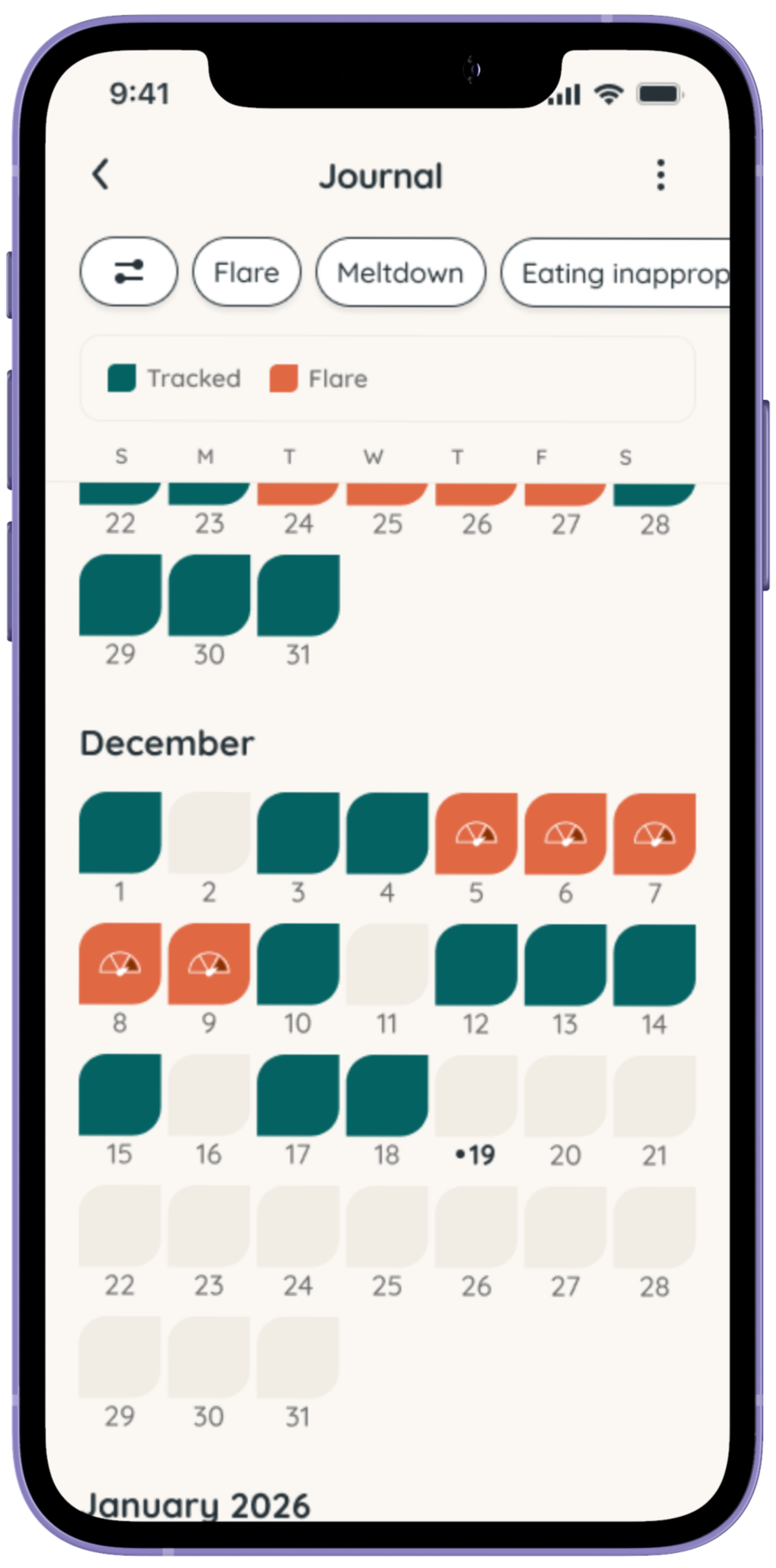
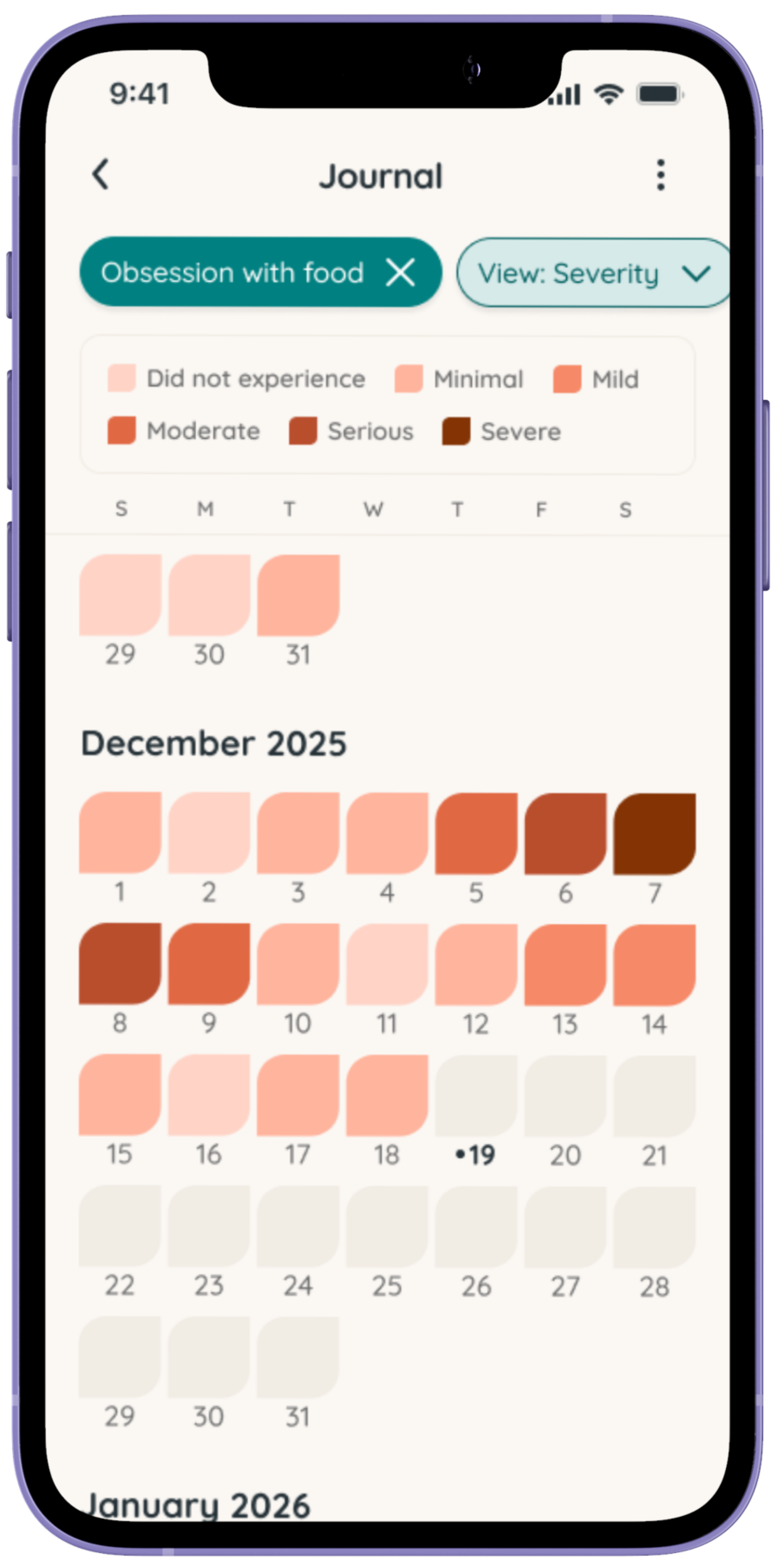
How does tracking help my child’s care?
PWS is rare, and much of what researchers understand about it comes from short windows of observation focused mostly on the individual with the diagnosis. But PWS doesn't only affect one person. It shapes the lives of parents, partners, and siblings too, and those experiences have historically been harder for science to see.
With a tracking app like Folia, you can help researchers learn from a fuller picture. Folia is currently running a study for parents and guardians of individuals with PWS to capture exactly this.
The goal is to understand:
How food, behavior, and sleep challenges show up in everyday life.
How those challenges affect caregiver stress, siblings, and household functioning.
What kinds of support and strategies are linked to better days over time.
Isn’t tracking “one more thing” on my plate?
That’s a fair question. Our approach is:
Short by design: most families can complete their daily check‑in in about 90 seconds.
Flexible: you choose what to track and can adjust over time.
Supportive: we focus on what’s actually helpful to you, not just what looks good in a spreadsheet.
Want to turn the mental load you’re already carrying into something that helps your family—and future PWS care?
Learn more about research opportunities and start tracking your PWS data in Folia.