
Renal Resource Center
Helping you and your loved ones better understand and manage kidney disease. Explore blogs, events, recipes, community questions, and more below.
Questions from our community
Explore questions from our community about chronic kidney disease and answers from advocates, renal dietitians, renal clinicians and more!
Protein Intake with CKD
-
Protein needs depend on:
Your CKD stage
Whether you are on dialysis
Your age
Whether you are at nutritional risk
For example:
Earlier stages often allow moderate protein
Stages 3–5 may require lower intake
Dialysis typically requires higher protein
Calculate your protein intake range here or learn more from renal dietitian.
-
No. Protein is essential for muscle, immune function, and healing.
The goal in CKD is not to remove protein, it’s to eat the right amount for your stage and health status.
For many people in stages 3–5 (not on dialysis), lowering total protein intake may help reduce kidney stress. But completely eliminating protein can increase the risk of malnutrition.
-
You absolutely can get enough protein from plant sources.
Examples:
Beans and lentils
Tofu and tempeh
Peas
Nuts and seeds
Whole grains
Plant proteins generally contain less protein per serving than animal protein, which can actually help if you are on a moderate or restricted protein plan.
Research supports replacing at least 50% of animal protein with plant protein for those with CKD.
More about swapping animal protein for plant protein or calculate your protein intake here
Food Substitutions
-
Vinegar! Vinegar is a great substitute for salt or just to spice up any plate.
Although too much of anything is not good for you, there is not a “upper limit” to vinegar intake. Renal dietitian, Lauren Levy, does not recommend drinking it but “the amount you’re going to add on a food, it will be just fine.”
-
Opt for beans and lentils!
Lauren Levy MS, RDN, CSR says both "are a really great option for kidney health or a good protein and fiber source. Some of my favorite options with beans are in things like tacos or a taco salad. I often eat them over veggies or on toast.”
She also notes that lentils can be used in comfort foods like a vegan shepherd’s pie. Watch the full kidney recipe webinar here.
-
Try chickpea salad.
Renal dietitian, Lauren Levy, says this is one swap she often recommends:
“Chickpea salad is one of those recipes that I love to work with people on because I get usually a little bit of the side eye, like I'm not quite too sure. And I get a lot of positive feedback from my patients.”
Prepare it the same way you would chicken or tuna salad, simply swapping chickpeas in place of the meat. It also keeps well in the fridge for several days.
Check our Lauren’s recipe or calculate your protein intake here.
-
A tofu scramble can be a great option.
Lauren notes that it’s a flexible recipe that can make multiple servings:
“A tofu scramble can be a great way to get some protein in… The other nice thing is this is great for leftovers and can be really good if put together as a breakfast burrito.”
It’s also an easy way to add vegetables and flavor to a simple breakfast.
-
While reduced-sodium soy sauce exists, it can still be relatively high in sodium.
Good new, there is an option. Coconut aminos!
“If you are not familiar with coconut aminos, they are a low sodium option… You do want to read the food label because just like anything, there is one brand that is higher in sodium than others.” - Lauren Levy MS, RDN, CSR
In general, coconut aminos tend to be much lower in sodium than traditional soy sauce.
-
Try cauliflower instead.
“If you have a potassium restriction and you need to worry about potatoes, you can always sub out cauliflower in place of those mashed potatoes.” — Lauren Levy MS, RDN, CSR
Mashed cauliflower works especially well in dishes like shepherd’s pie or as a side dish when you’re looking for something similar to mashed potatoes.
More kidney diet tips from Lauren here.
Snacks and Desserts with CKD
-
Living with CKD is already challenging, you don’t need to make it harder by cutting out life’s little joys like snacks and desserts. The good news? There are plenty of options you can still enjoy.
Take Lauren’s peanut butter balls…basically a two-for-one (snack and dessert).
As Lauren says, she “recommend[s] it with either veggies or fruit on the side. And you actually get almost five grams of fiber and protein in this recipe this way.”
-
More snack ideas:
Unsalted Peanut Butter and apples/celery/unsalted rice cakes
Cucumber/carrots and hummus
Unsalted popcorn (example Skinny Pop)
1/4 cup unsalted nuts and grapes
Cut up veggies or fruits (apples, strawberries, mandarin oranges, celery, carrots, peppers, snap peas, cucumber)
Low sodium crackers or snacks with 1/2 cup veggies
-
More dessert ideas:
2 Tbsp of chocolate hummus with 1/2 cup berries
Chocolate Sunbutter on celery sticks
Sorbet
2 peanut butter balls
Coconut yogurt with a few chocolate chips
Explore recordings of past webinars with Lauren Budd Levy MS, RDN
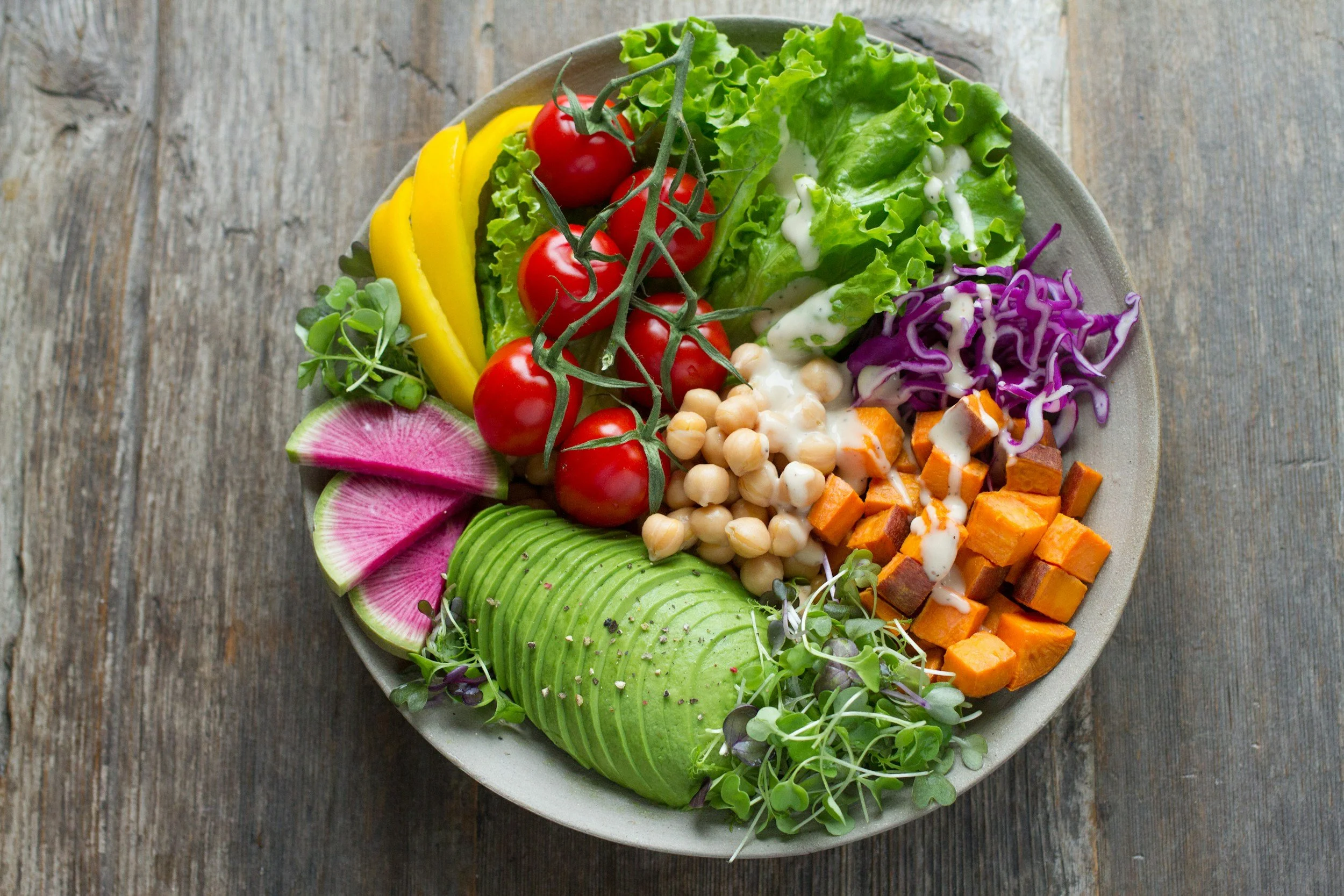
It's hard to keep track of your diet with CKD
Folia let's you capture every important aspect of your CKD in one app
Use code “RENALRESET” when you sign up


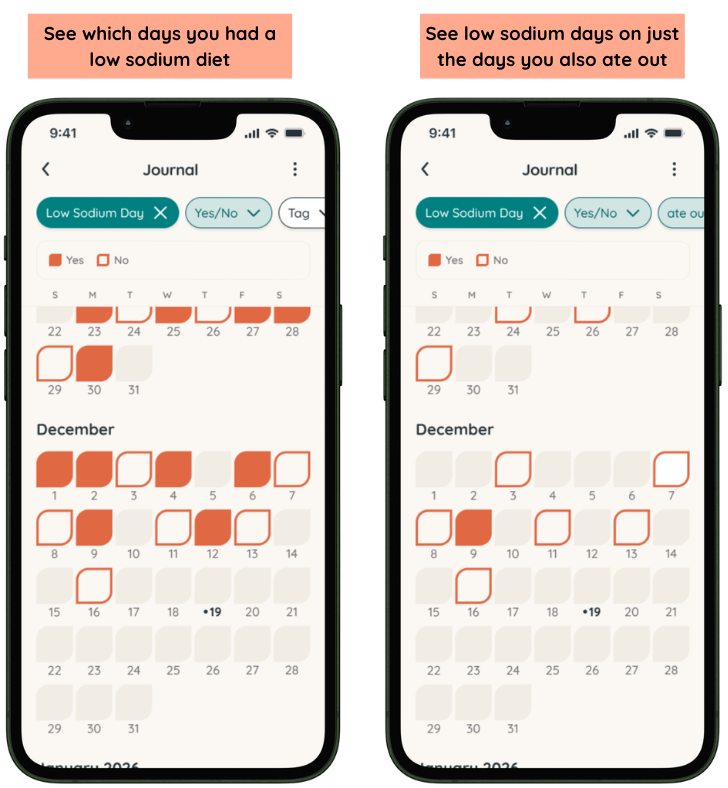
Your diet is personal, your tracking should be too.
Customize your Folia Journal to monitor protein, sodium, potassium, and other foods that matter for kidney health. As you track, Folia’s graphs and calendar views help you visualize trends and see how diet may be impacting your symptoms.
Renal Reset Recipes
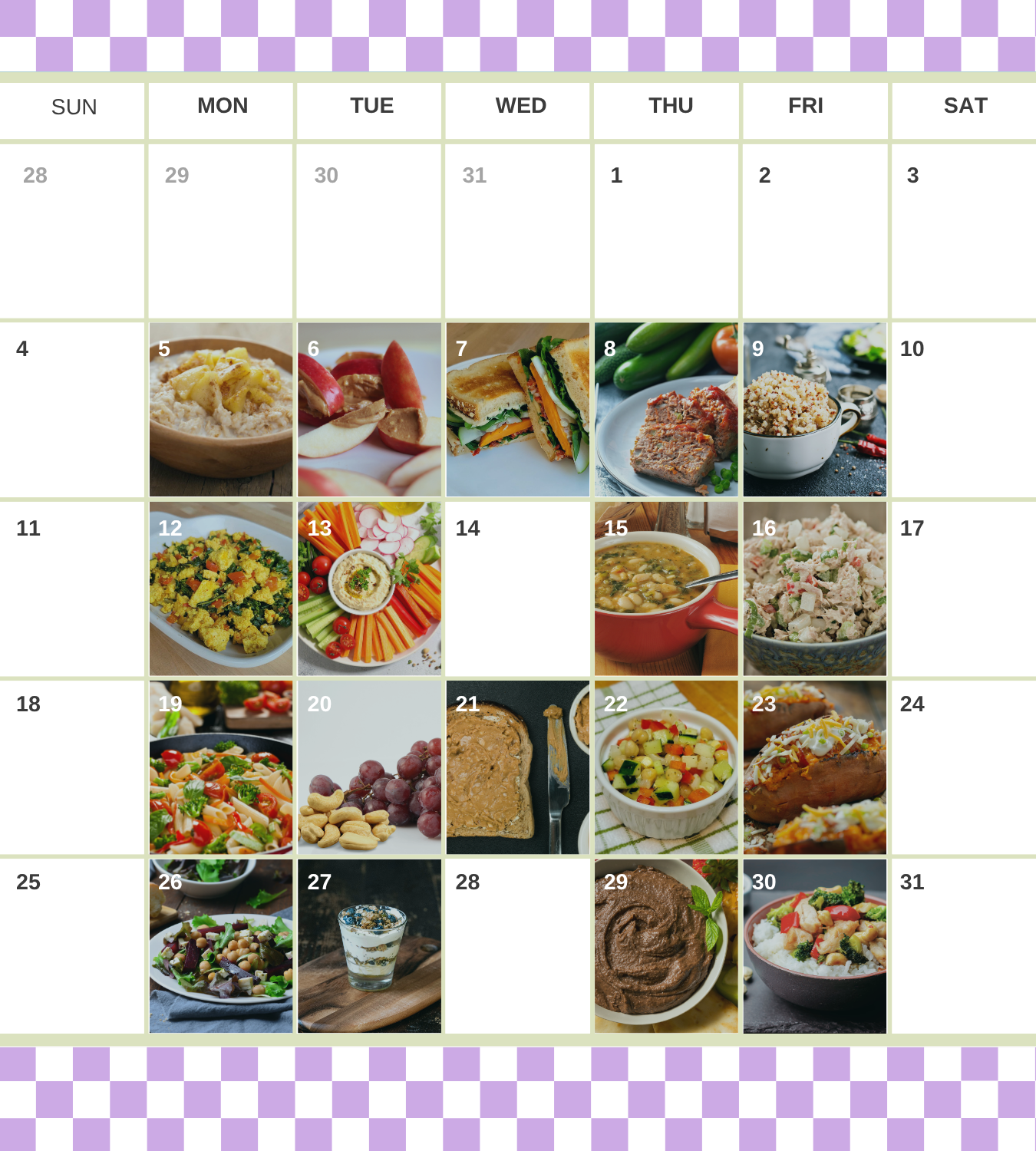
A month of weekly grocery list and recipes you and your kidneys will love.
Ready to make an impact on the future of CKD care?
Learn about our remote research opportunities.
Chronic Kidney Resources






Start tracking your CKD on Folia today
Use code “RENALRESET” when you sign up